Uģis Prauliņš
First encounters
The first encounter with Uģis Prauliņš’s Missa Rigensis came through a broadcast from Riga Cathedral. Its opening recalled Allegri’s Miserere, but at the end of the Credo came an extraordinary moment: half the choir continued singing while the other half began speaking the words of the Creed in Latin, building to a shout. This was music of protest, revolutionary in spirit.
In 2007, during a visit to Riga to conduct the Latvian Radio Choir, a long conversation at Prauliņš’s home revealed something of the musician behind the music. Here was a rock performer who was also a classical artist, and who counted Allegri’s Miserere among his favourite works. That fascinating combination offered a glimpse into his extraordinary musical imagination.
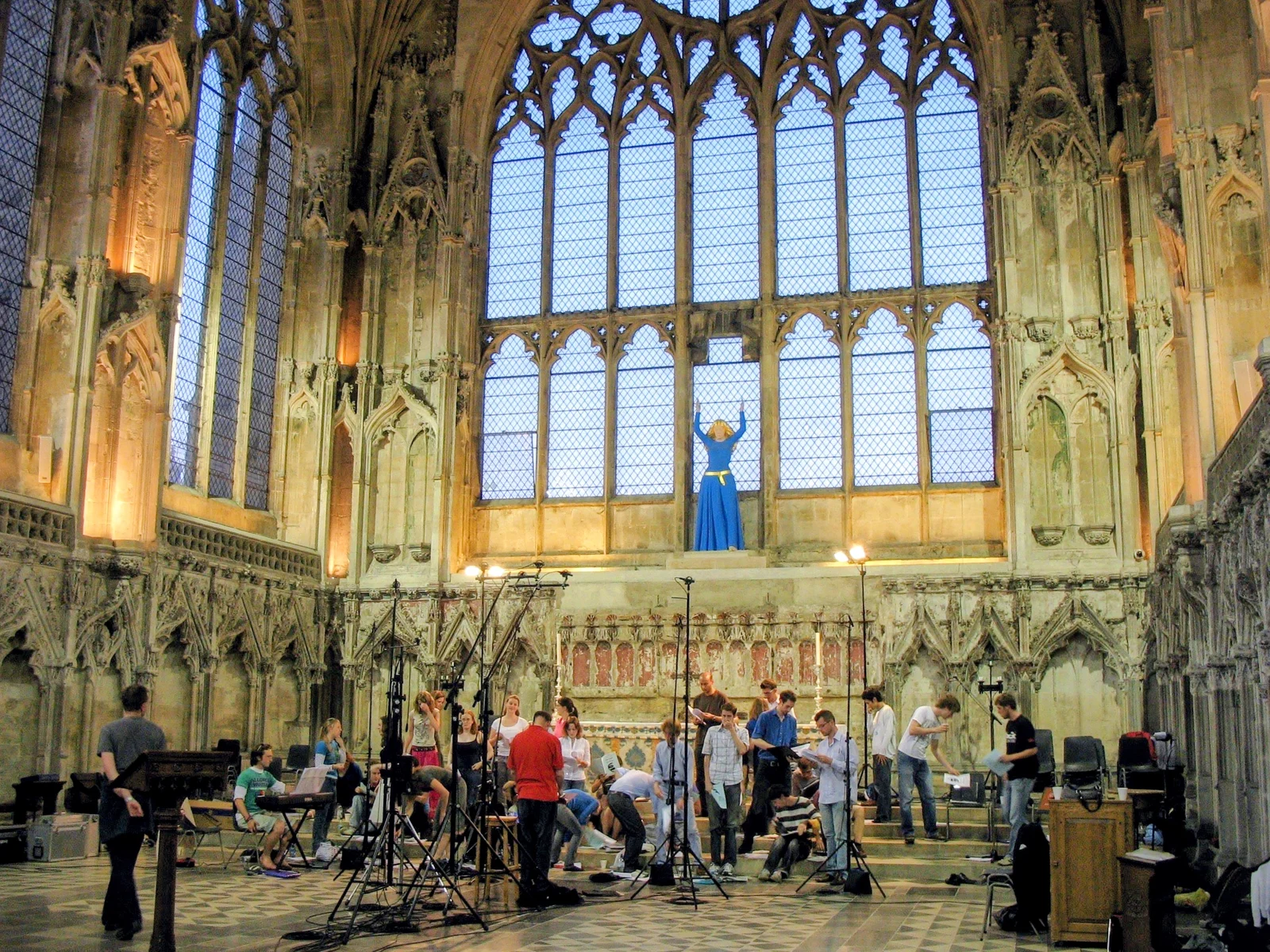
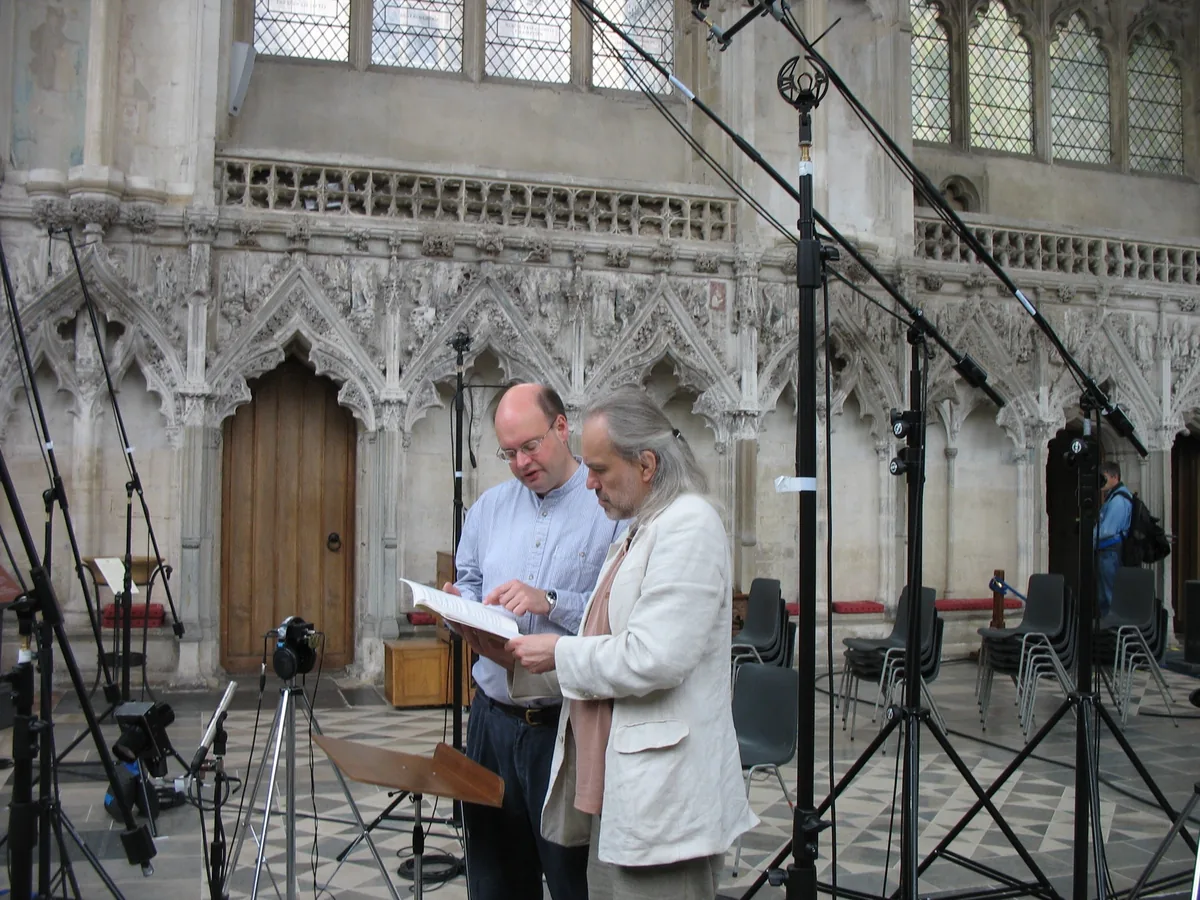
In August 2008, the Choir of Trinity College Cambridge recorded Missa Rigensis in the Lady Chapel of Ely Cathedral. Prauliņš brought tremendous excitement and exuberance to the sessions, captivated by the extraordinary space. The chapel’s acoustic gave the music another dimension: the faster passages seemed to race around the building, while the great chords hung in the air long after the singers had stopped.
Prauliņš also composed Laudibus in sanctis specially for the choir and the recording. Both works appeared on Baltic Exchange, released by Hyperion in 2010.
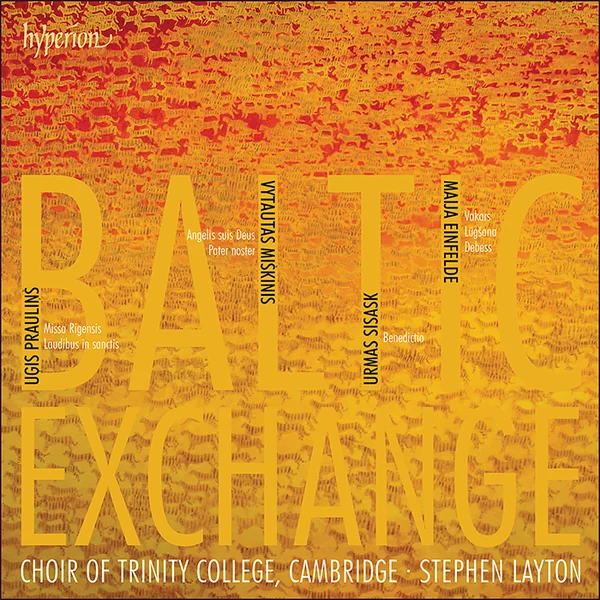 Baltic ExchangeUģis Prauliņš — Missa Rigensis (2002)Uģis Prauliņš — Laudibus in sanctis (2008), written specially for the choir and this recordingChoir of Trinity College CambridgeStephen Layton — conductorRecording detailsRecorded: August 2008Location: Lady Chapel, Ely CathedralProducer: Adrian PeacockRecording engineer: David HinittReleased: February 2010Label: Hyperion RecordsCatalogue: CDA67747Booklet (PDF)
Recording and digital booklet: Hyperion Records
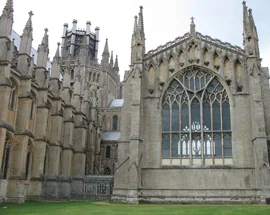 The Lady Chapel, Ely Cathedral — August 2008
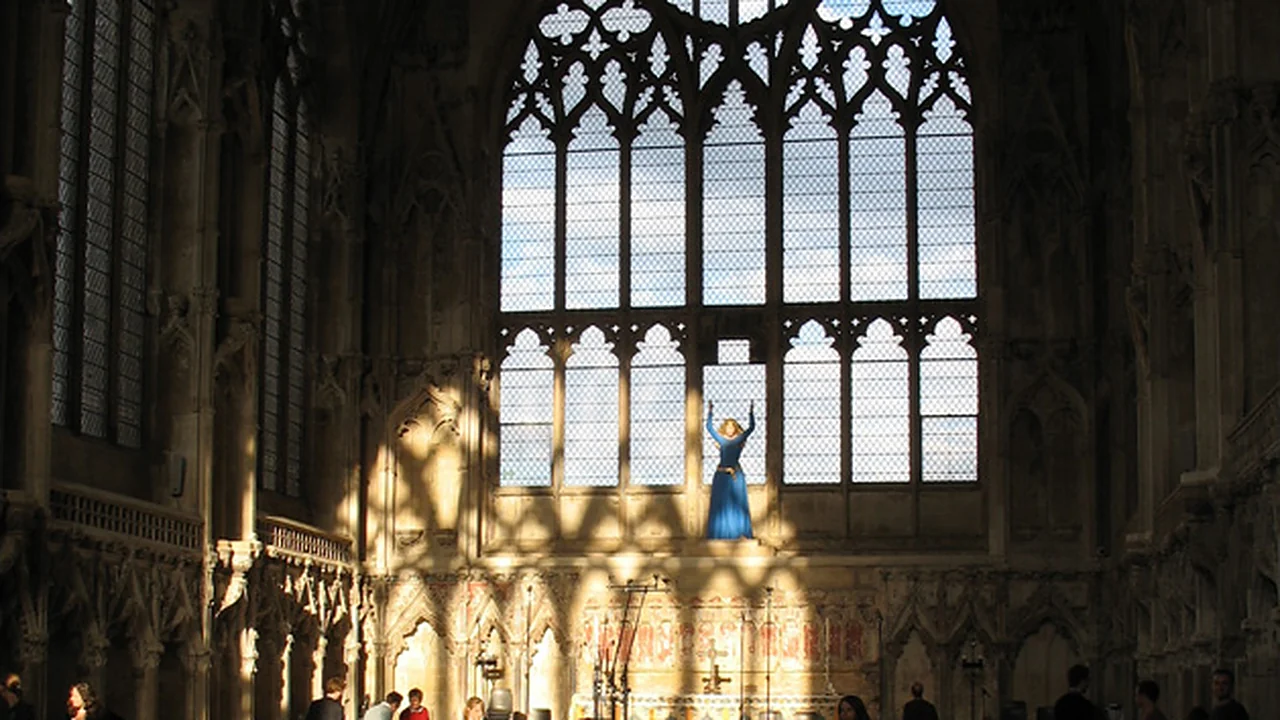 The Lady Chapel during the recording sessions
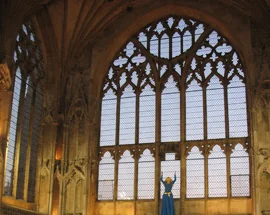 Window of the Lady Chapel
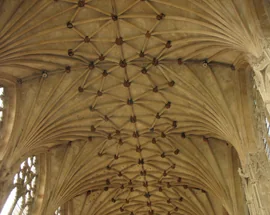 The vault of the Lady Chapel
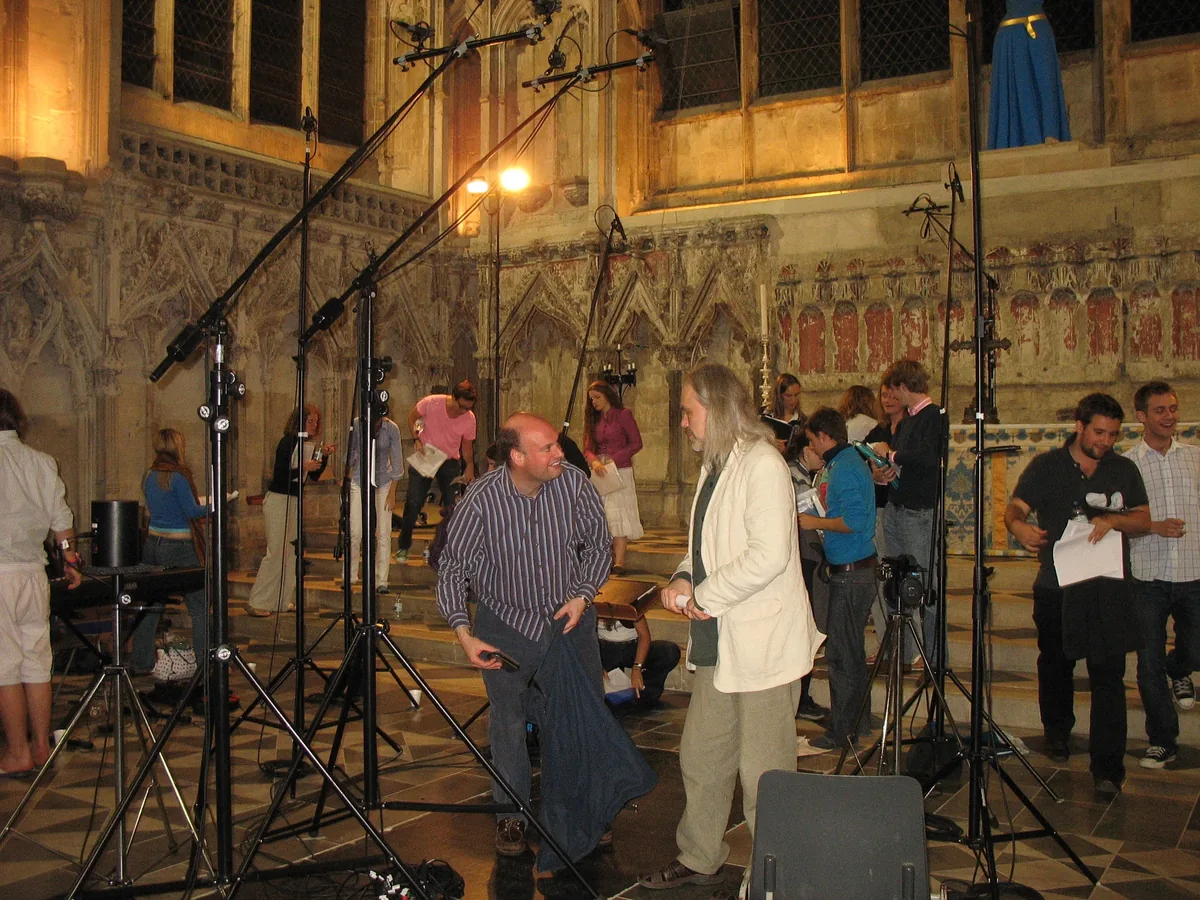 Uģis Prauliņš (right) with the choir and the recording team in the Lady Chapel
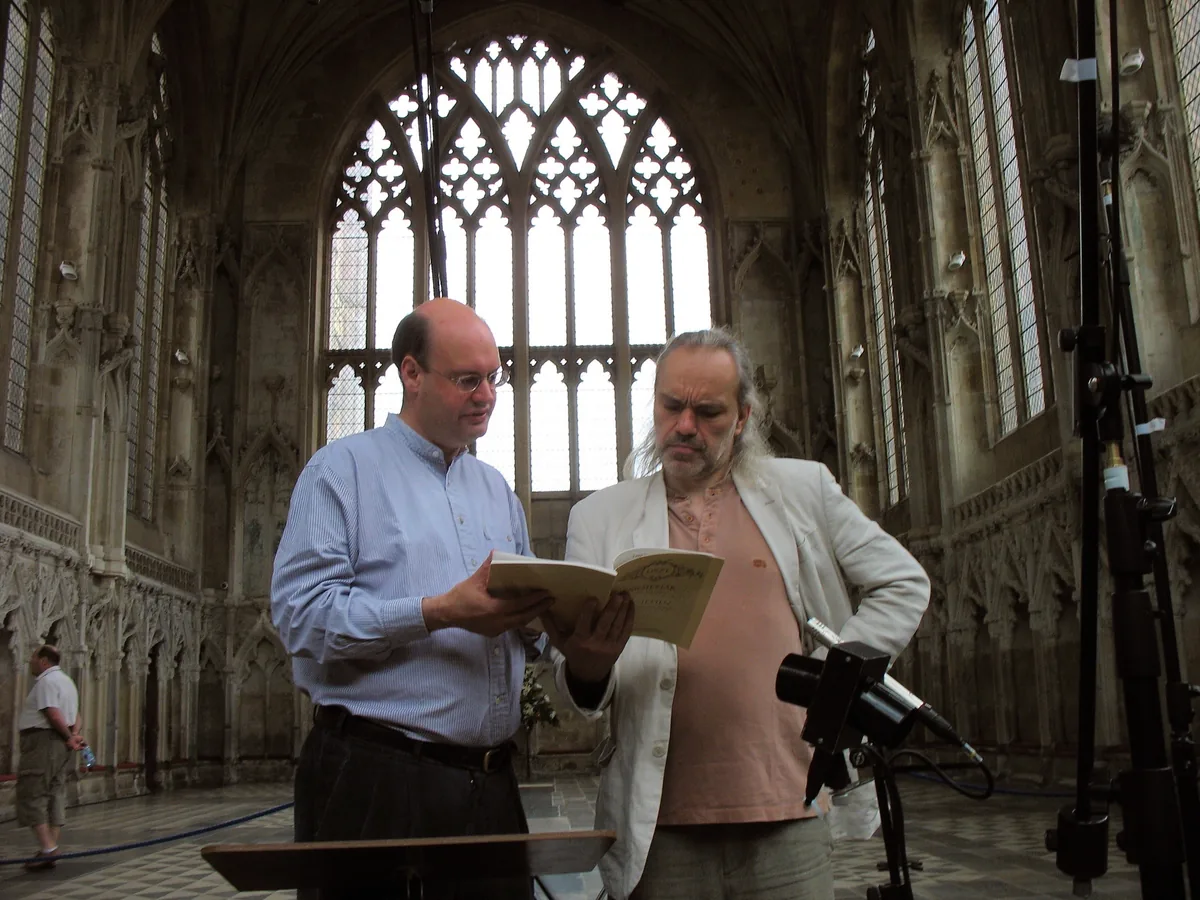
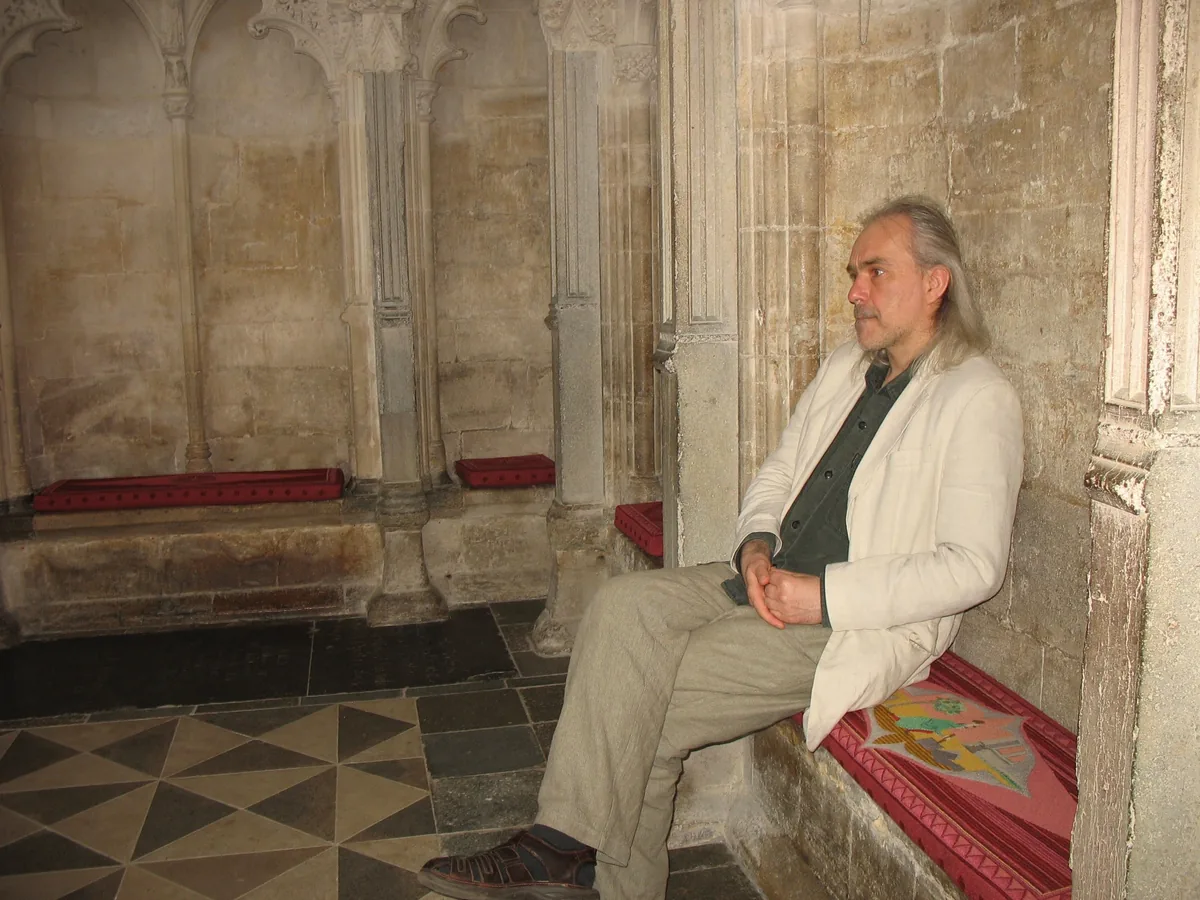
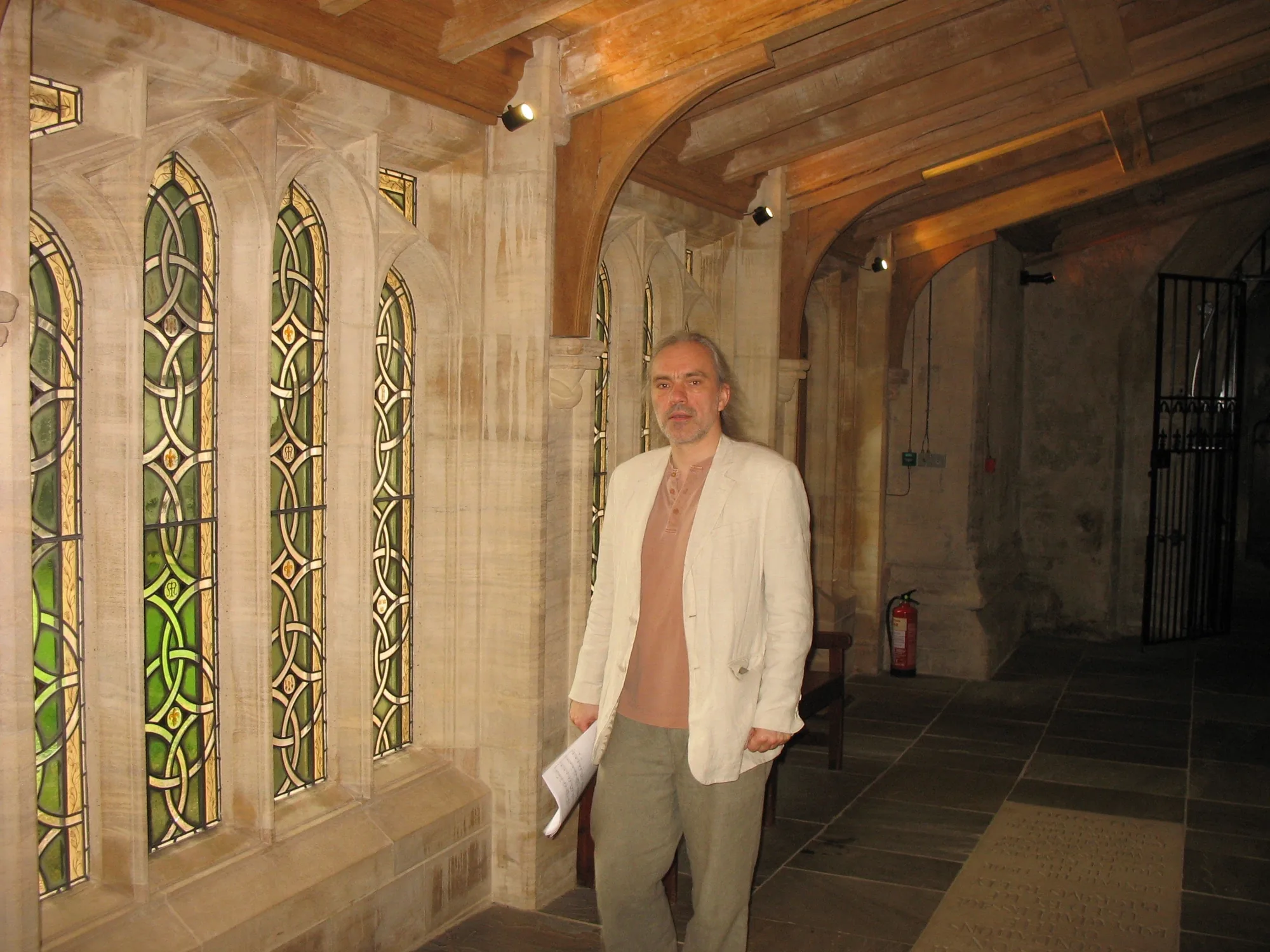
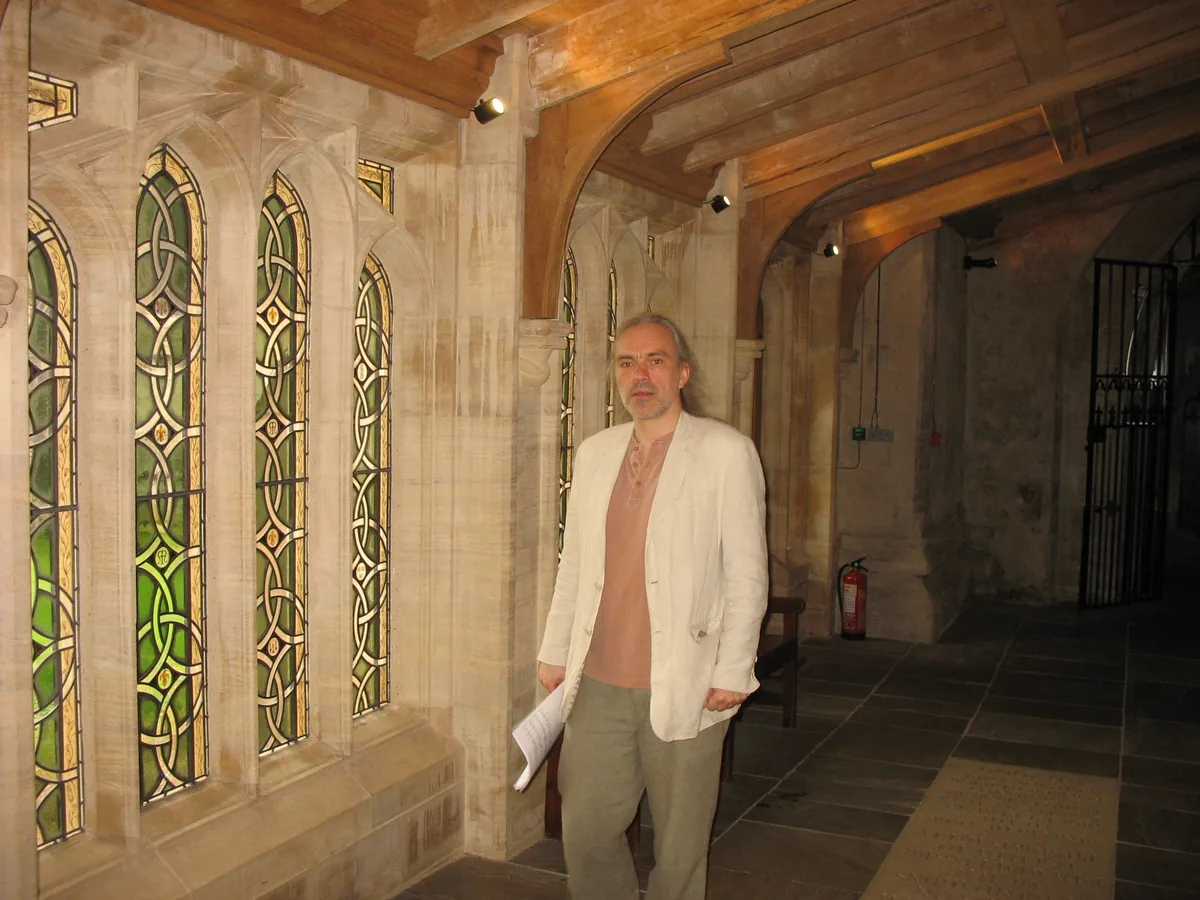 Uģis Prauliņš — Ely Cathedral, August 2008
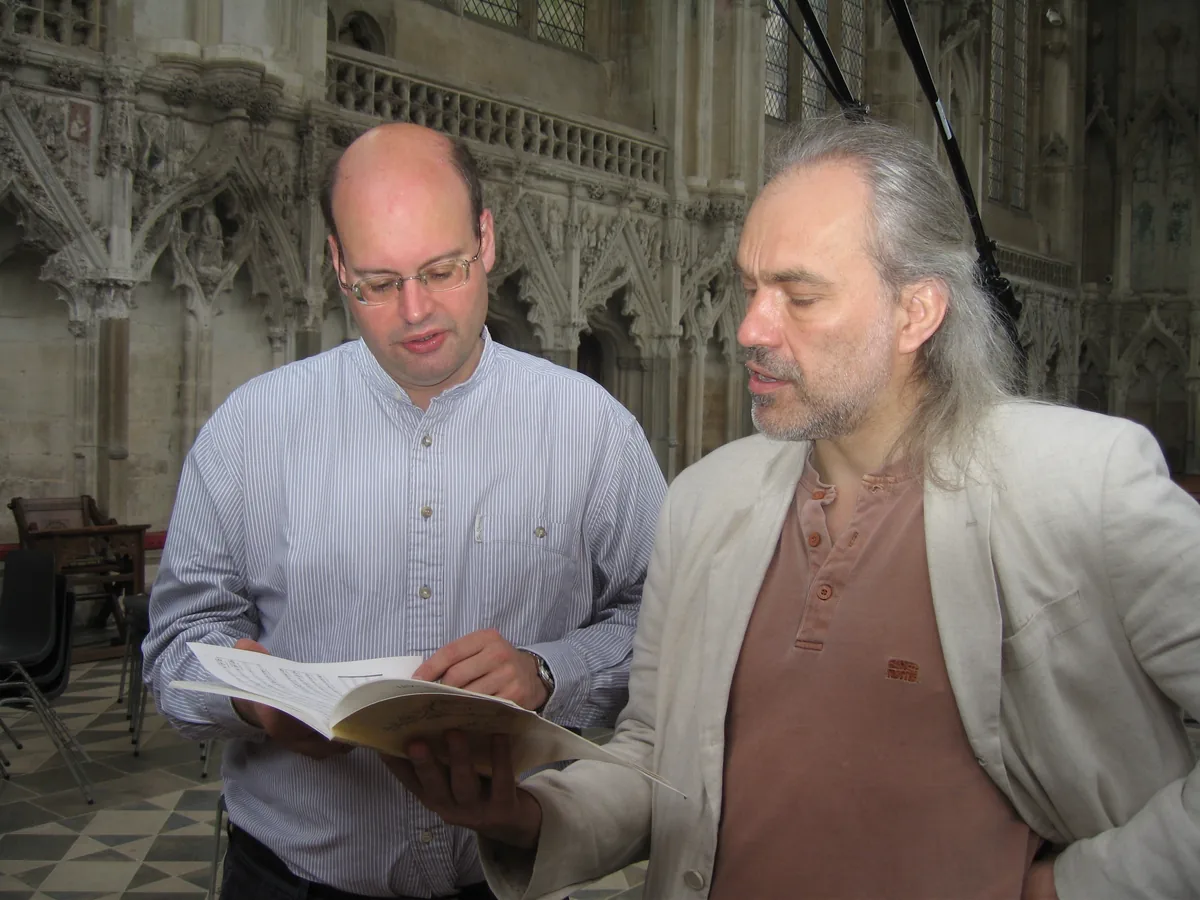
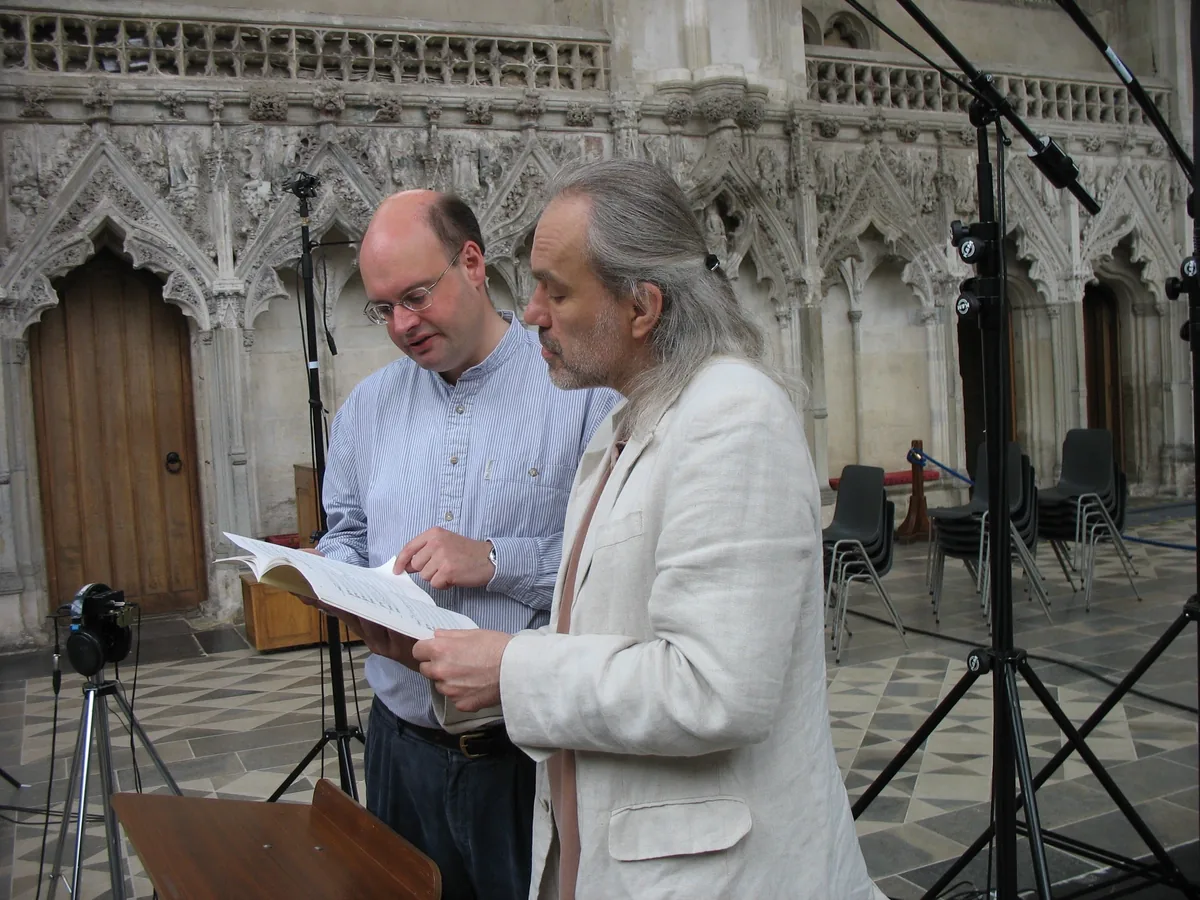
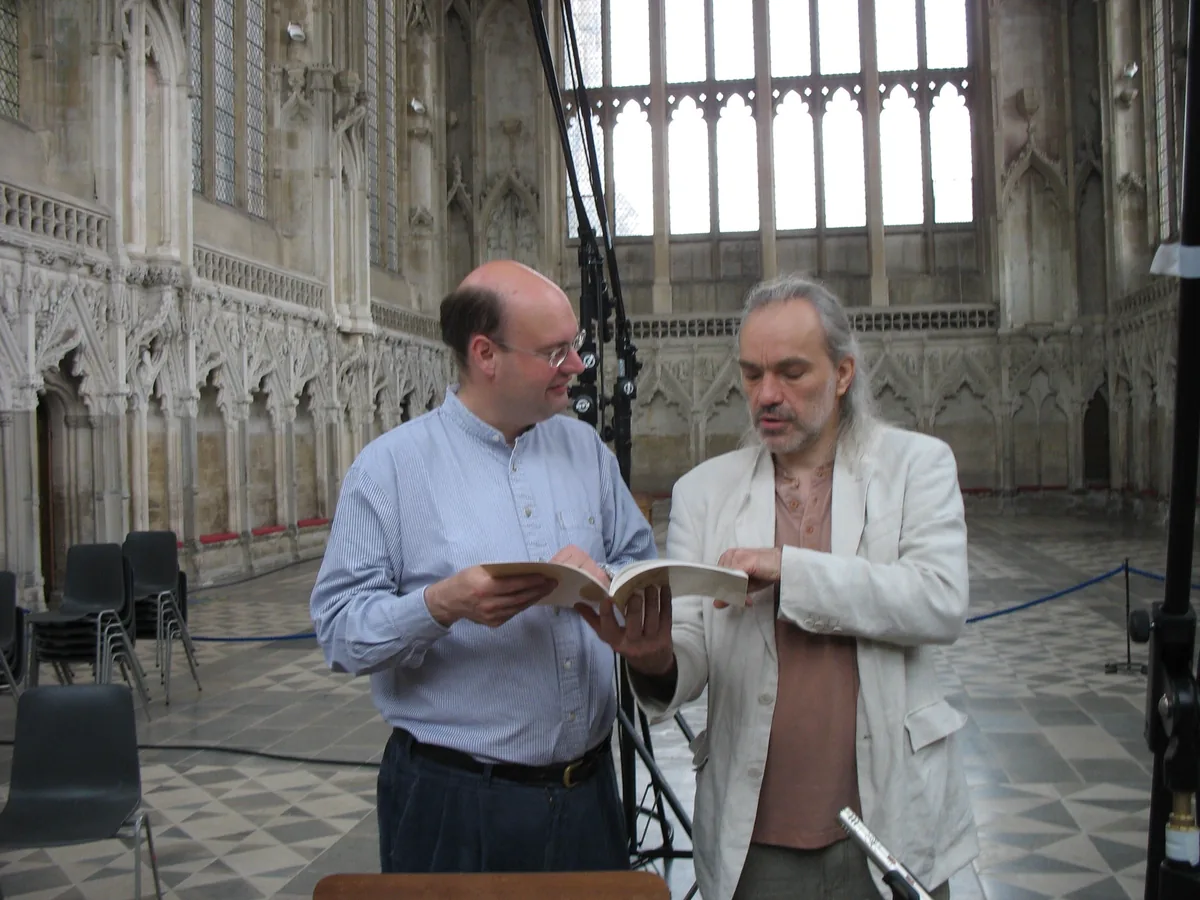
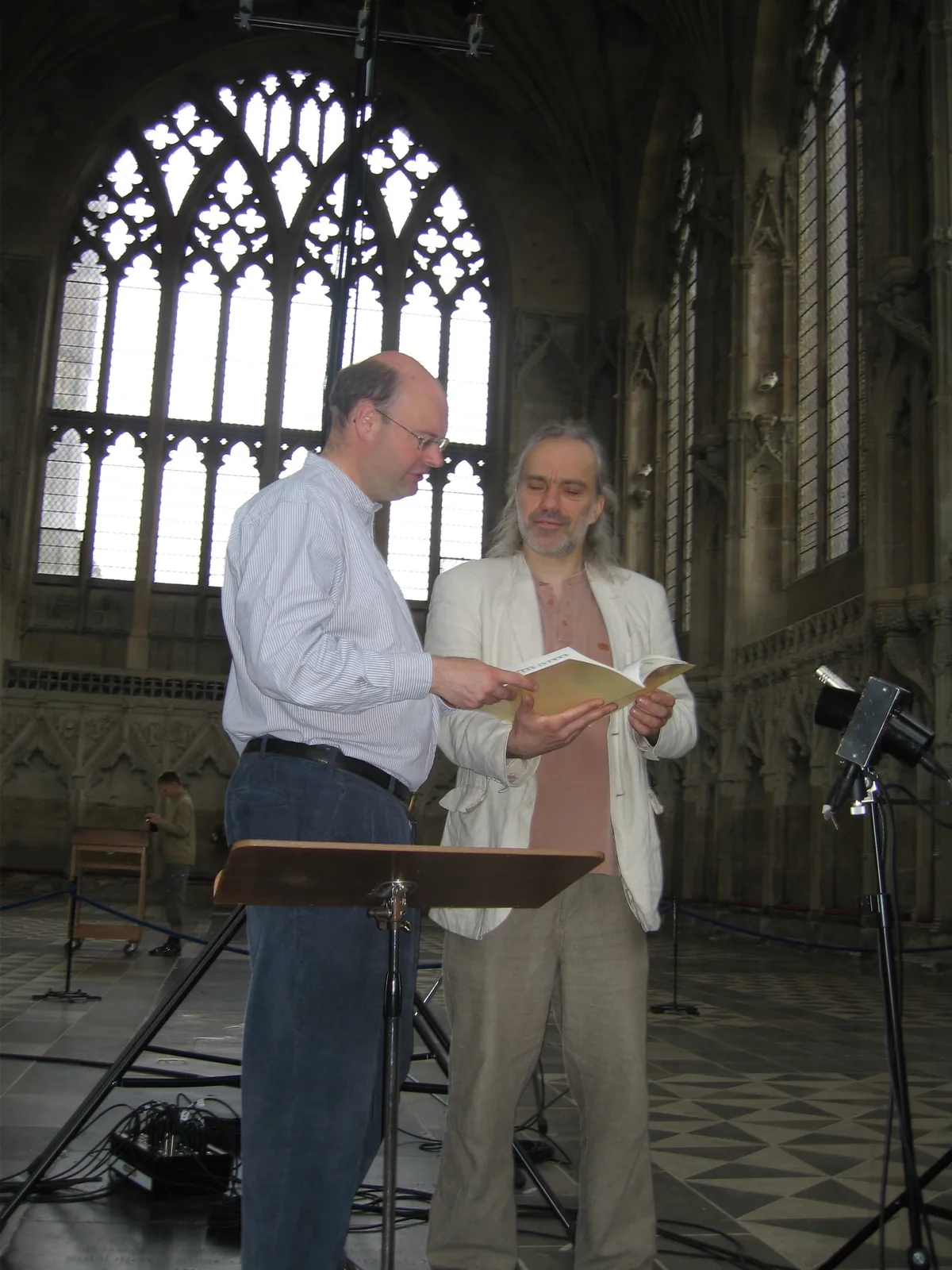
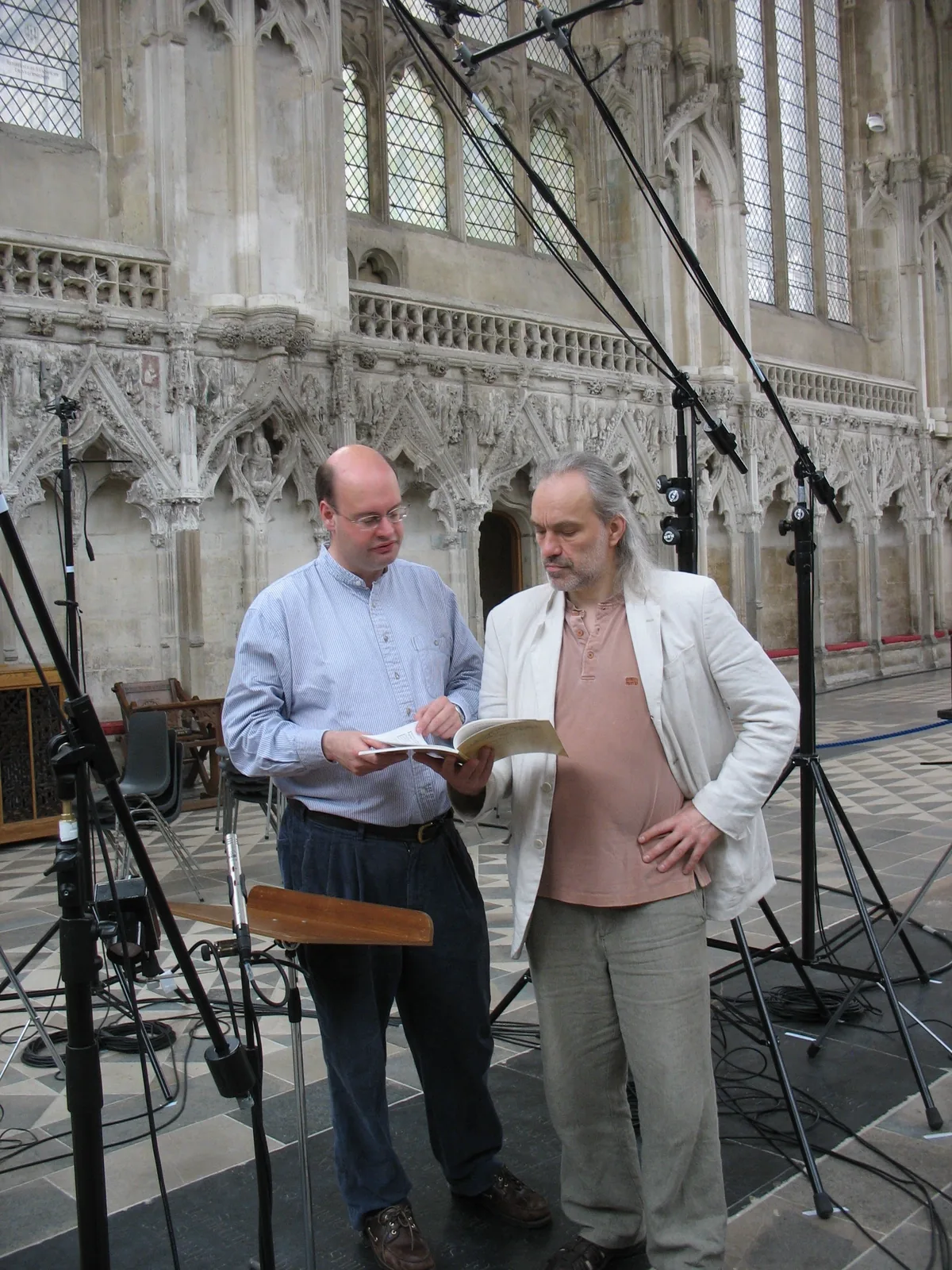
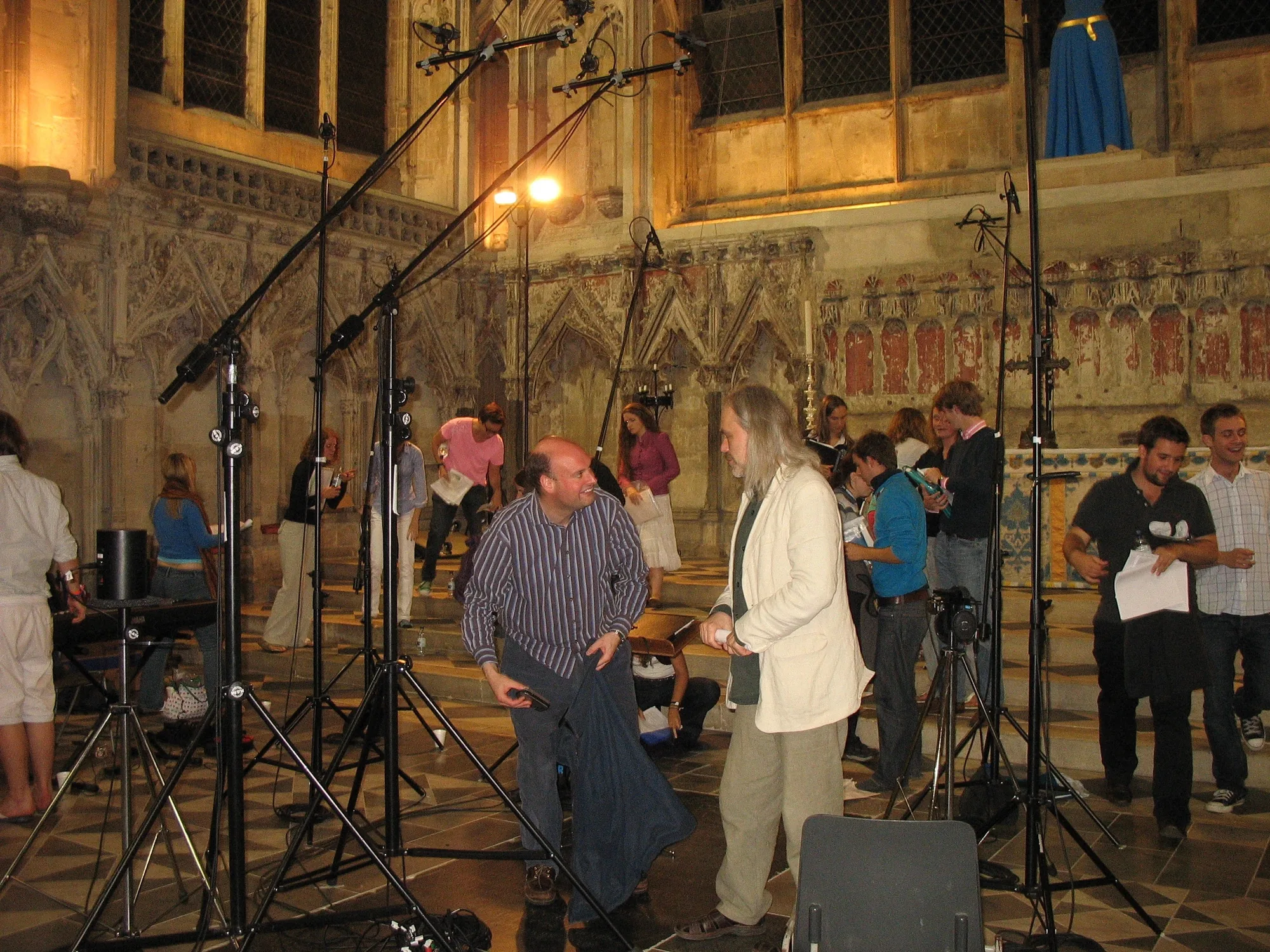
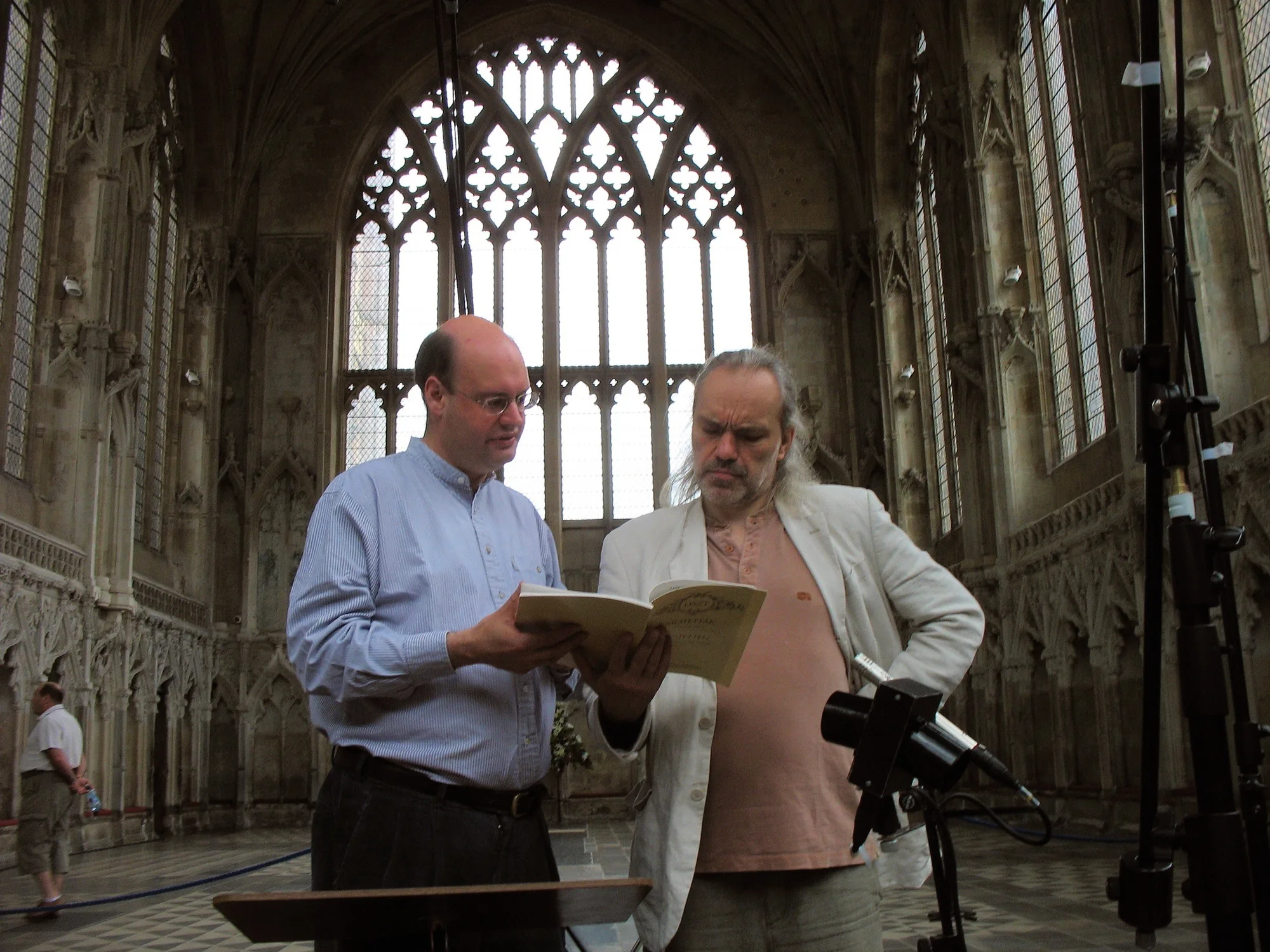
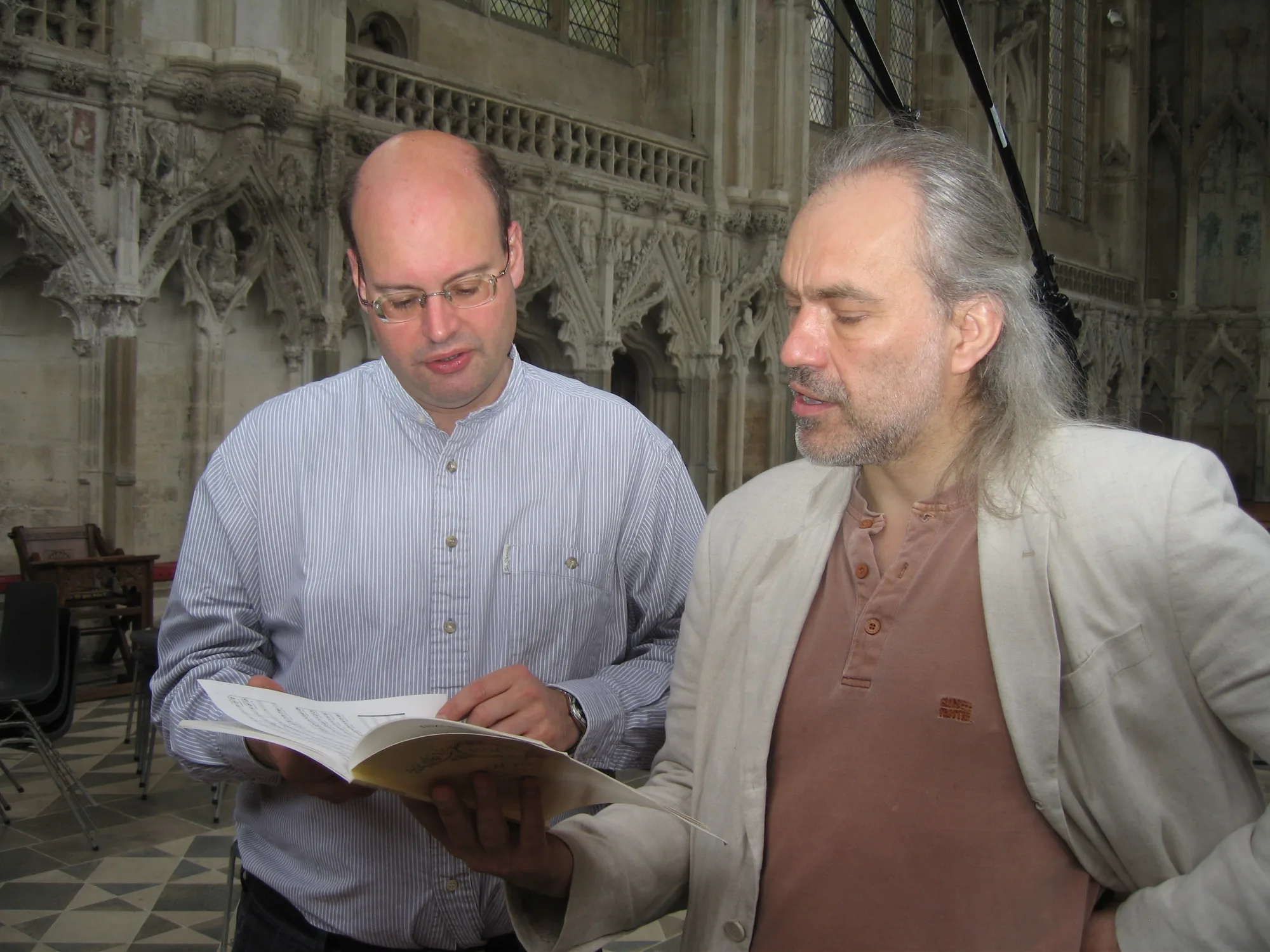
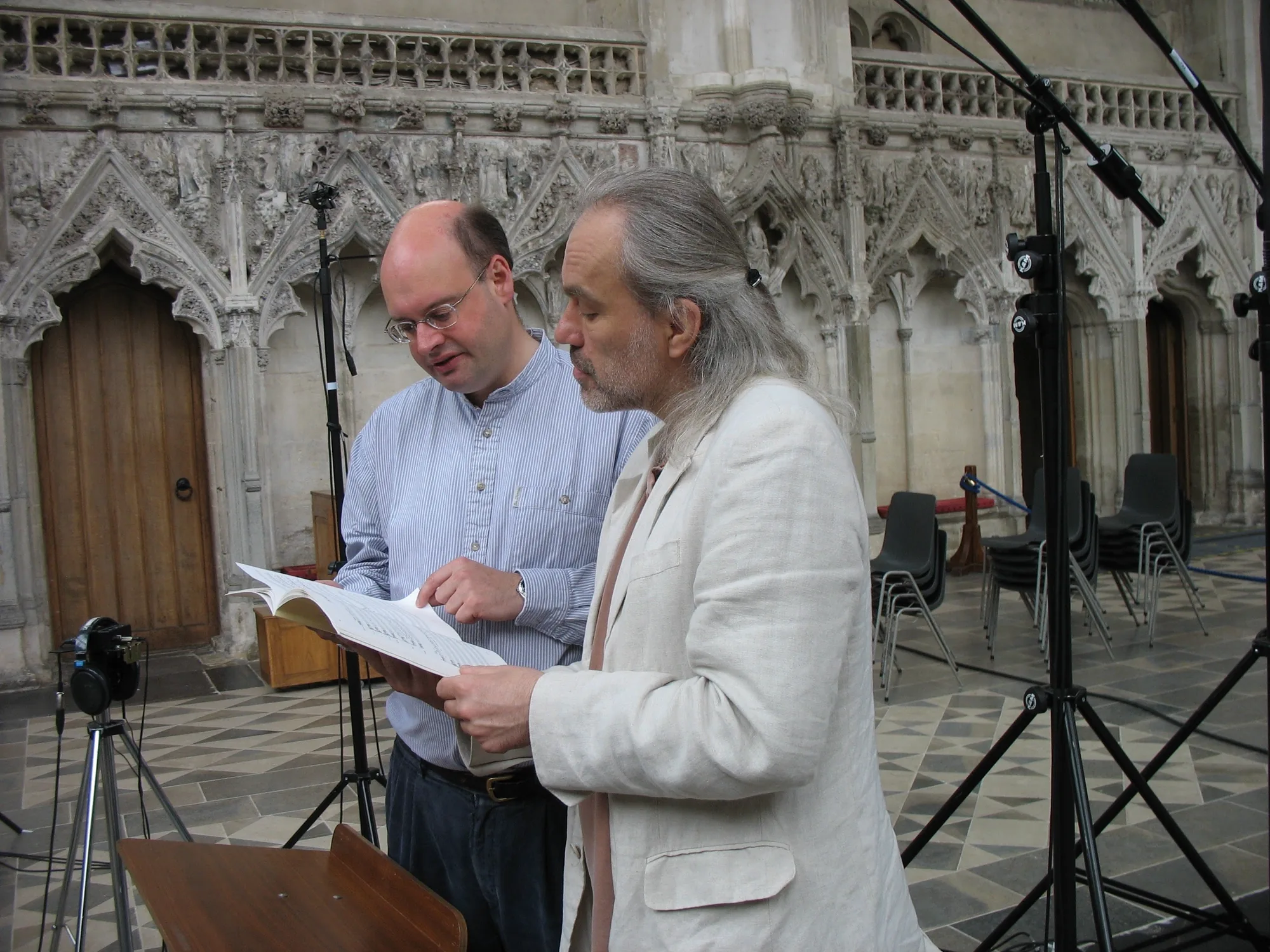
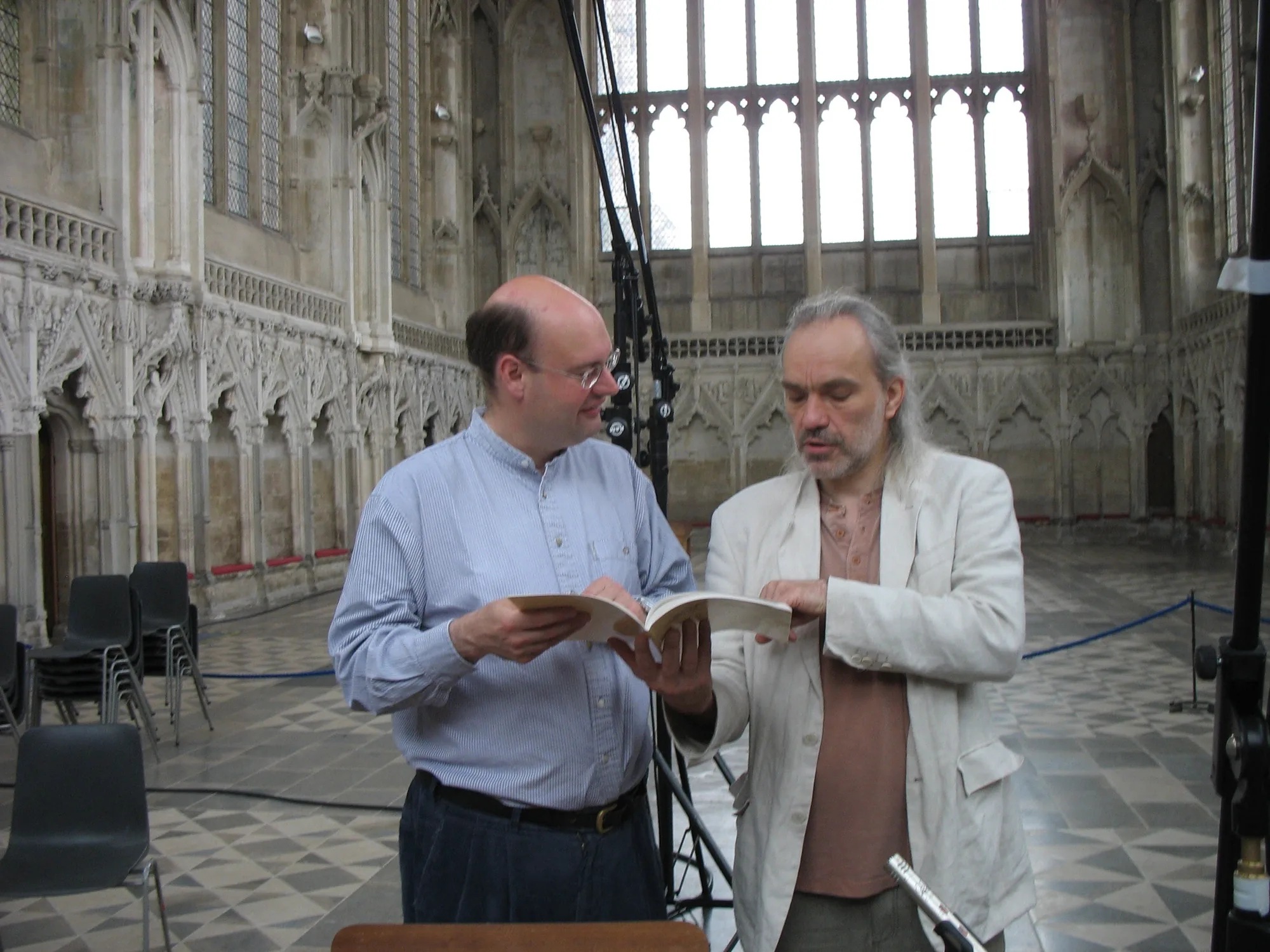
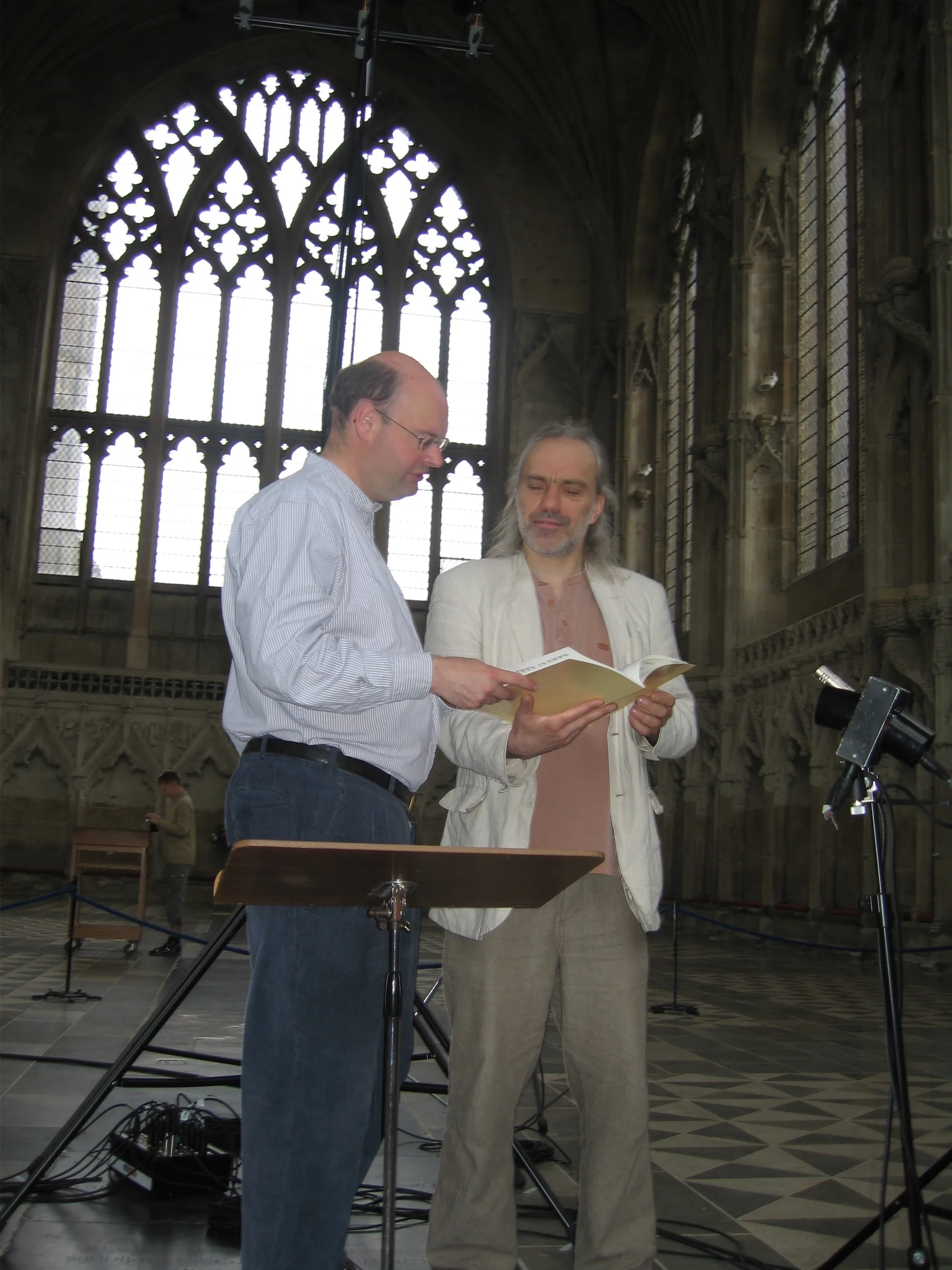
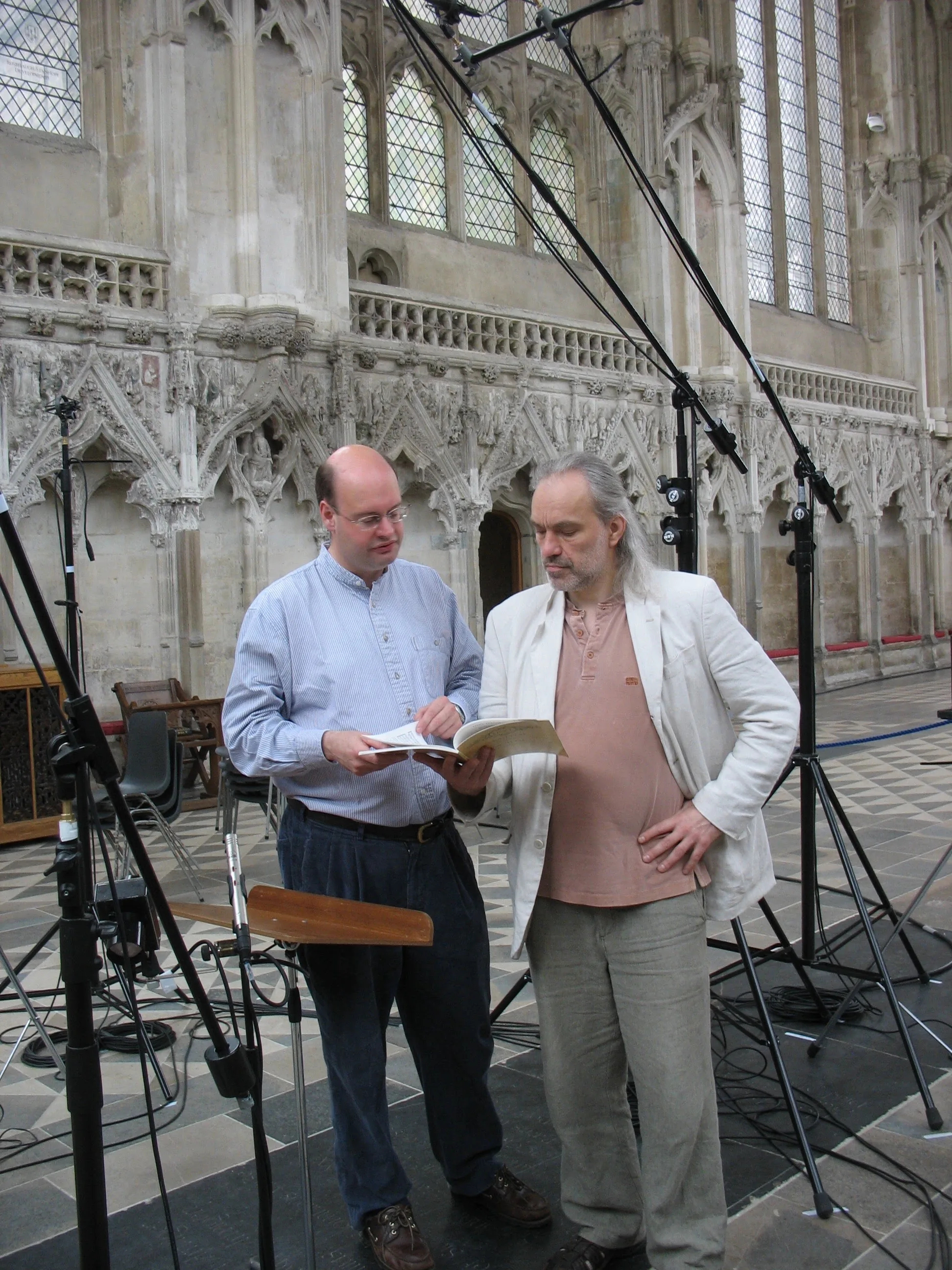
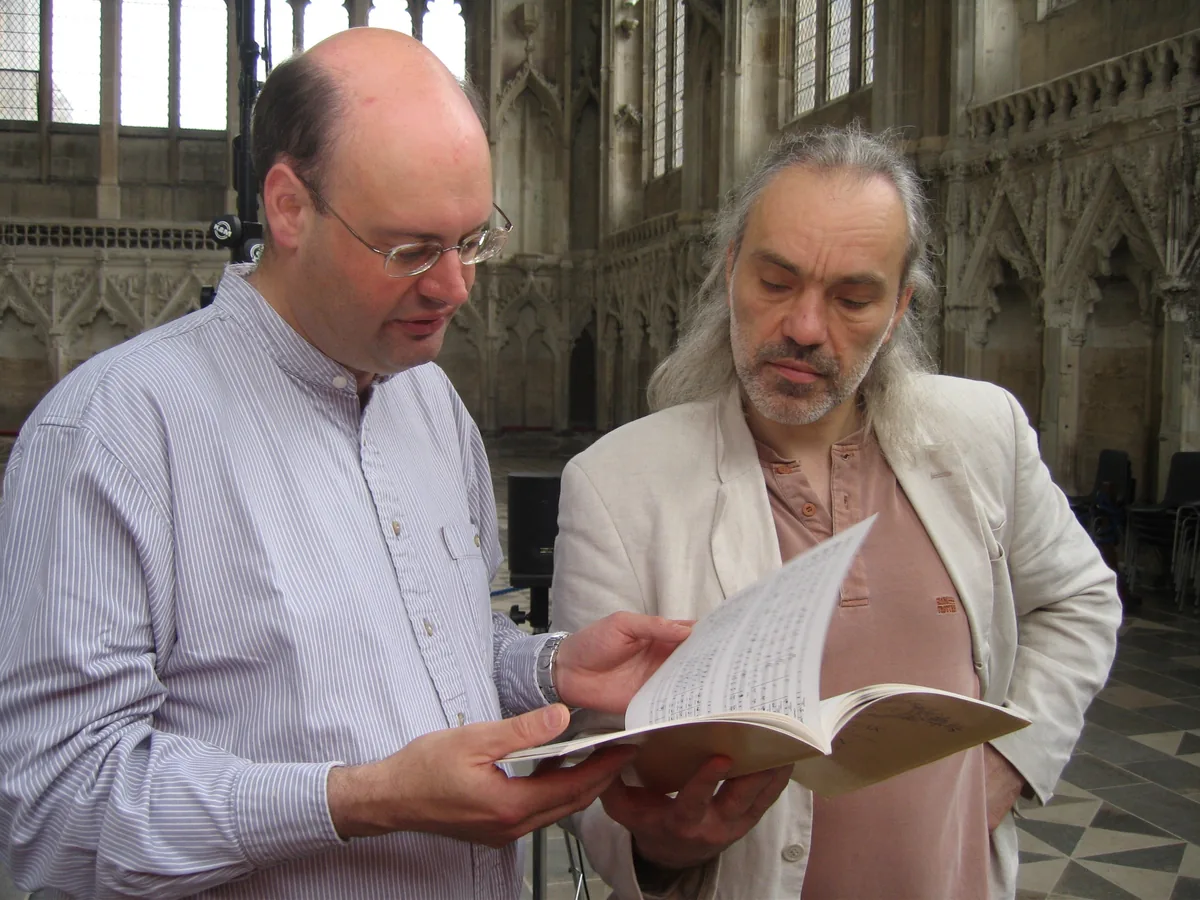
Stephen Layton and Uģis Prauliņš in the Lady Chapel, Ely Cathedral, during the Baltic Exchange recording sessions, 2–6 August 2008.
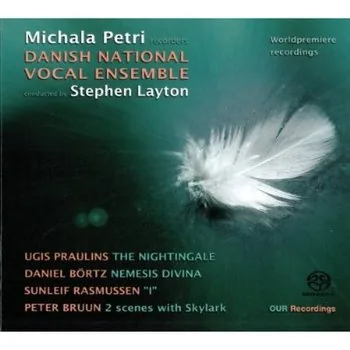
The collaboration continued with The Nightingale, a work for recorder and choir based on Hans Christian Andersen’s story. Prauliņš already knew the Danish recorder player Michala Petri, while Layton had met her through his work with the Danish National Vocal Ensemble. These connections led to the commission.
Musically, The Nightingale was a world apart from the sacred works recorded at Ely. Prauliņš’s rock influences came to the fore, with the singers required to grunt, speak and breathe audibly as well as sing, moving between almost funky passages and more classical writing. Petri’s part demanded changes between several recorders and considerable virtuosity in the highest registers. The work was recorded in Copenhagen in 2011 and subsequently performed at concerts throughout Denmark.
The State Choir of Latvia later commissioned Prauliņš to compose O lux beatissima, performed under Stephen Layton at the International Sacred Music Festival in Riga in August 2013.
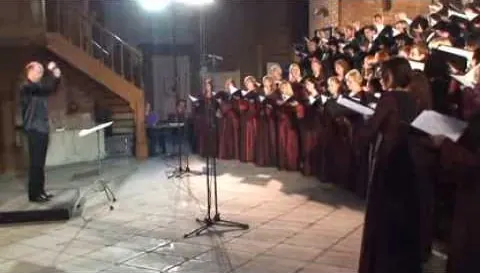
This film is hosted on YouTube. Playing it here connects to YouTube, which may set cookies (see our privacy notice).
State Choir of Latvia
Stephen Layton, conductor
16th International Sacred Music Festival
St Peter's Church, Riga — 24 August 2013
In March 2014, The Nightingale returned to the concert platform at the Ny Carlsberg Glyptotek in Copenhagen, with Michala Petri and the Danish actress Ghita Nørby.
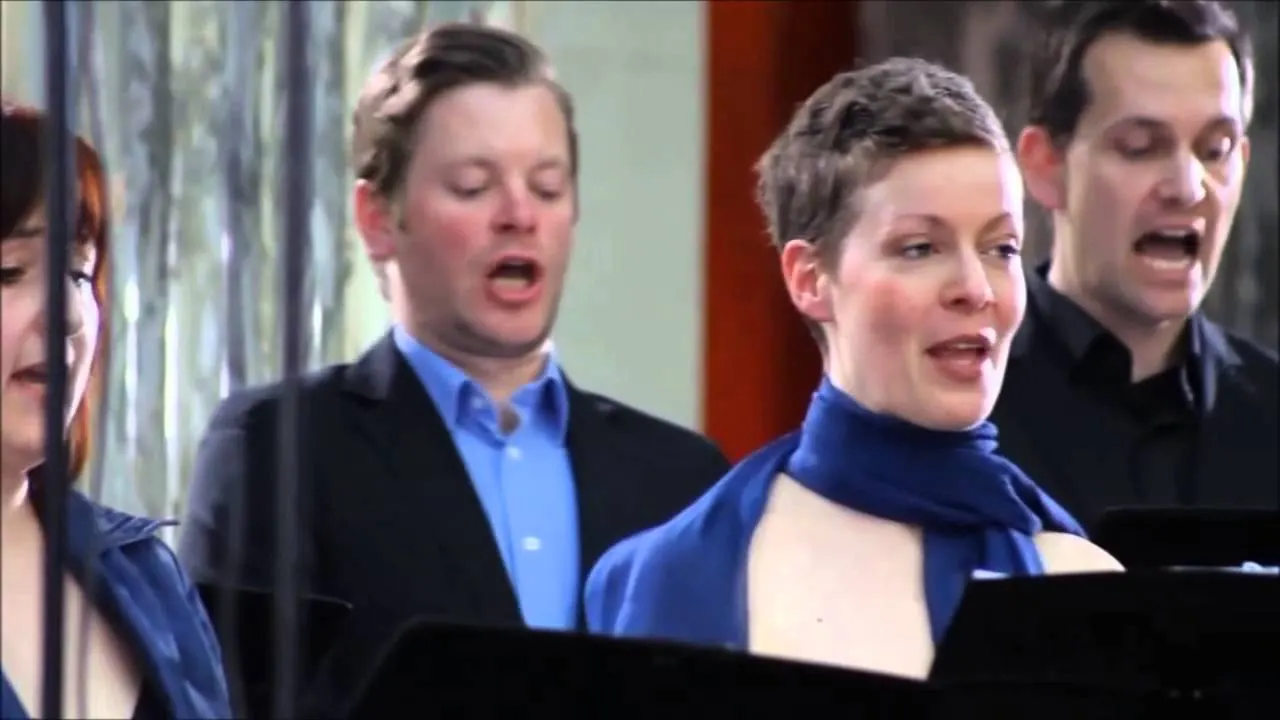
This film is hosted on YouTube. Playing it here connects to YouTube, which may set cookies (see our privacy notice).
Danish National Vocal Ensemble
Michala Petri, recorders
Ghita Nørby, narrator
Stephen Layton, conductor
Ny Carlsberg Glyptotek, Copenhagen — March 2014